Judo at the Olympics
From Tokyo 1964 to today. Judo joined the Olympics in Tokyo in 1964 and women's judo followed in 1992. The format, the legends and the newer mixed team event.
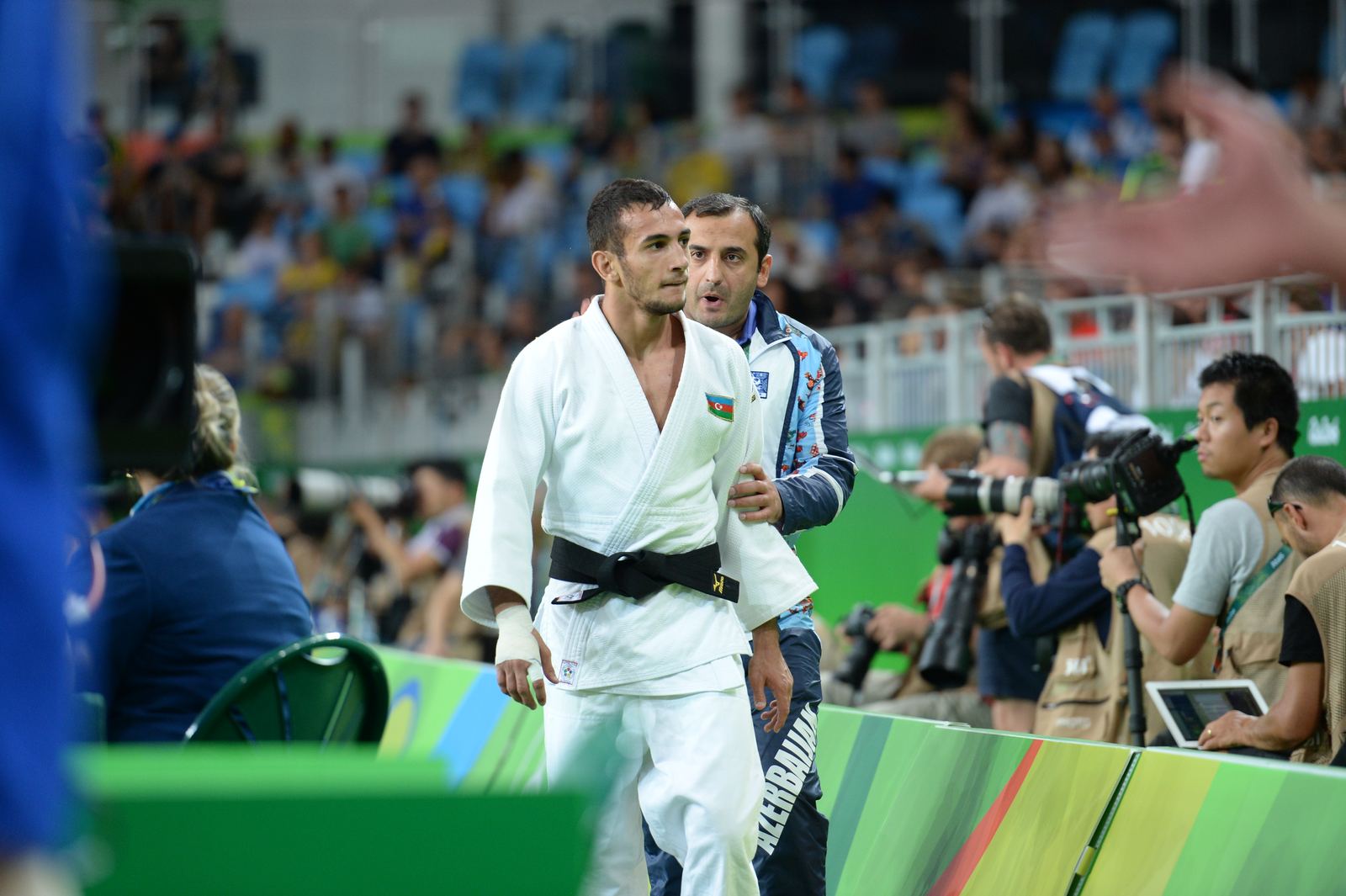
Olympic judo in Rio 2016: Ilgar Jafarov, CC BY-SA 4.0
Debut and format
Judo became an Olympic sport at the 1964 Games in Tokyo, the city where it was born. Japan expected to sweep the medals, but the open category was won by Anton Geesink of the Netherlands, a moment that showed the world judo truly belonged to everyone.
Judo was left out of the 1968 Games in Mexico City, then returned in 1972 and has been on every programme since. Women's judo appeared as a demonstration sport in 1988 and became a full medal sport at Barcelona 1992.
Athletes compete in seven weight classes for men and seven for women, and each nation can enter one judoka per class. Contests are single elimination, with a repechage that gives losing quarter-finalists another chance, so two bronze medals are awarded in each class.
The cleanest result is ippon, a clean, controlled throw judged to be perfect, which ends the contest at once. Judo rules focus on control, and referees step in quickly to keep athletes safe.
Legends of the mat
Japan's Tadahiro Nomura became the first judoka to win three Olympic golds in a row, in 1996, 2000 and 2004. France's Teddy Riner went further: heavyweight gold in 2012, 2016 and at his home Games in Paris 2024, plus mixed team golds in 2020 and 2024.
Riner also holds more than ten individual world titles, a record in the sport. At Tokyo 2020 the Japanese siblings Hifumi Abe and Uta Abe won gold on the same day, one of the most charming stories of those Games.
Teams together
Tokyo 2020 introduced a mixed team event. Each team has three men and three women from different weight groups, and nations face each other in a series of six contests, with an extra deciding contest if the score is tied.
The team format brings big crowds and loud cheering. It also reflects Jigoro Kano's idea of mutual welfare and benefit, with teammates working for each other.
Judo beyond the Olympics
Judo is also a Paralympic sport, contested by athletes with visual impairments since the 1988 Games in Seoul. Contests start with both athletes already gripping, which keeps the sport fair and exciting.
Around the world, the International Judo Federation runs world championships and a busy World Tour of Grand Slam and Grand Prix events every year, so fans can follow their favourite judoka between Olympic Games.

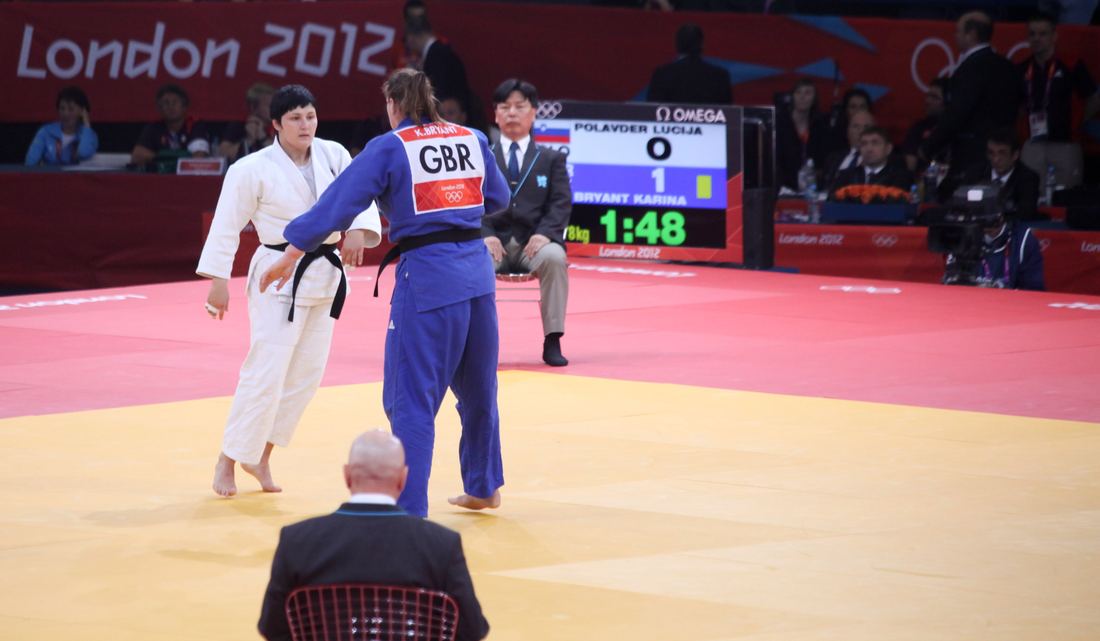
- Olympic judo in Rio 2016: Ilgar Jafarov, CC BY-SA 4.0
- Teddy Riner: Nicolas Richoffer, CC BY-SA 4.0
- London 2012: Martin Hesketh, CC BY 2.0
Text written by Strongest Power.