Tai Chi
The slow, flowing art of balance. Tai chi is a Chinese martial art practised slowly for balance, calm and health. Its roots in Chen Village, the five family styles and benefits.
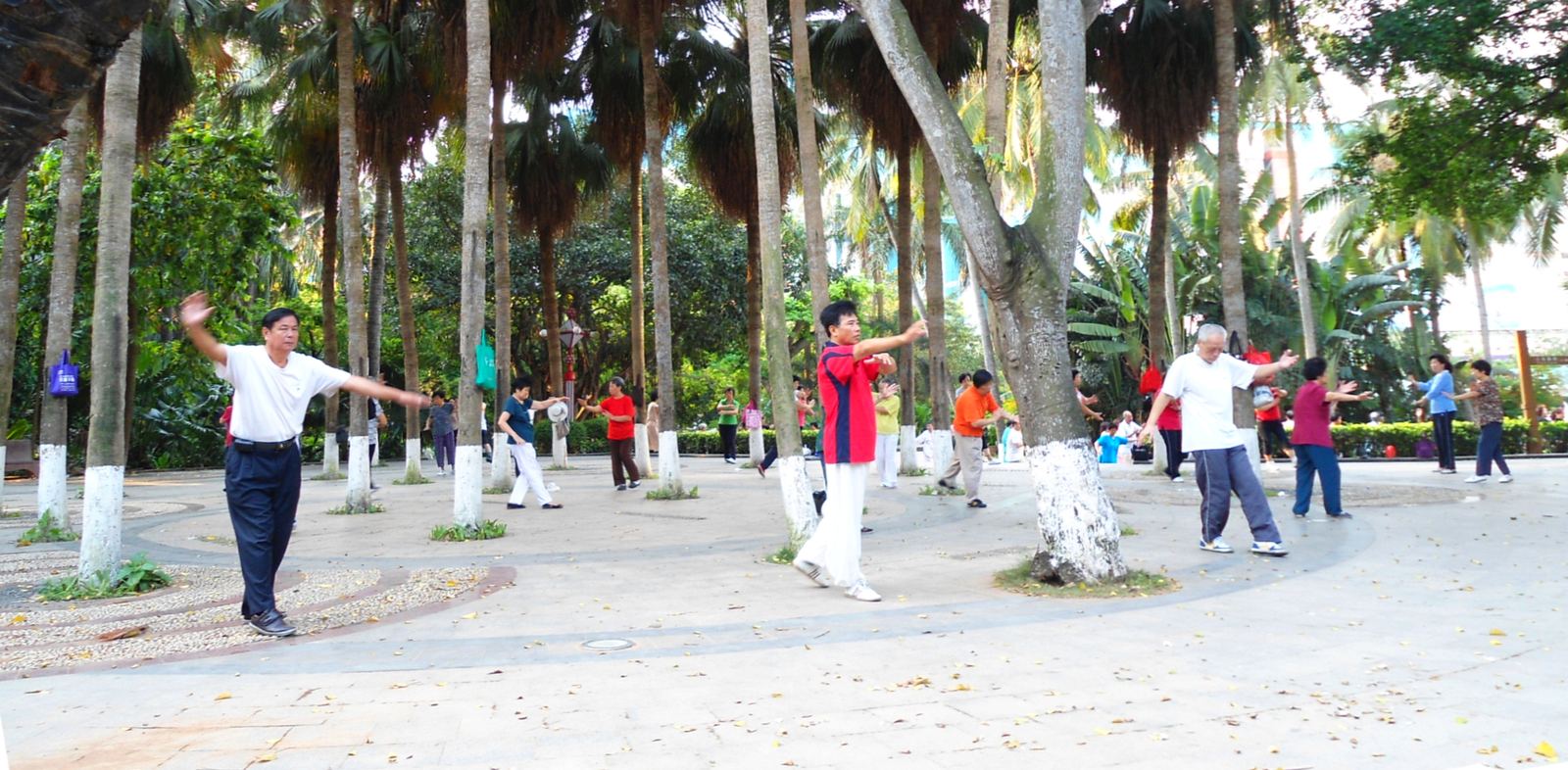
Morning tai chi in Haikou: Anna Frodesiak, CC0
Where it began
Tai chi, or taijiquan, is a Chinese martial art best known today for its slow, graceful movements. Its exact origins are not certain, but the earliest well-documented practice comes from Chen Village in Henan province, central China, a few centuries ago.
From the Chen family the art spread through teachers such as Yang Luchan, whose family developed a gentler, wider style. Over time five classic family styles grew: Chen, Yang, Wu (Hao), Wu and Sun. Each has its own rhythm, but all share the same flowing, connected feel.
What a form looks like
Tai chi is practised mostly through forms, long sequences of linked movements done slowly and smoothly from start to finish. Weight shifts gently from one leg to the other, the arms move in soft curves and breathing stays relaxed and steady.
Short forms can take a few minutes, while long traditional forms may take twenty minutes or more. Many schools also teach partner exercises called push hands, where two people stay in light contact and practise feeling balance and movement rather than overpowering each other.
Health and world heritage
Walk through a park in China early in the morning and you will often see groups moving together in silence. Tai chi is popular with people of every age because it is low impact and can be adapted for almost any fitness level.
Studies have linked regular tai chi to better balance, leg strength and flexibility, and to fewer falls in older adults. Many people also say it helps them relax and focus. Anyone with a health condition should talk to a doctor first and learn from a qualified instructor.
In December 2020 UNESCO added tai chi to its Representative List of the Intangible Cultural Heritage of Humanity, recognising it as a living tradition passed down through generations.
Today tai chi is taught in community centres, hospitals and clubs worldwide, and competition versions exist in modern wushu events. Whether you practise for health or for the art itself, the goal is the same: calm, balanced movement.
How to begin
Tai chi needs no special equipment, just loose clothing, flat comfortable shoes and a little space. Many beginners start with a short form of a few minutes and practise it daily, adding new movements slowly.
Community centres, clinics and parks often host classes for older adults. A good teacher will adapt movements for stiff joints or limited mobility, and you can even practise some forms while seated.
- Morning tai chi in Haikou: Anna Frodesiak, CC0
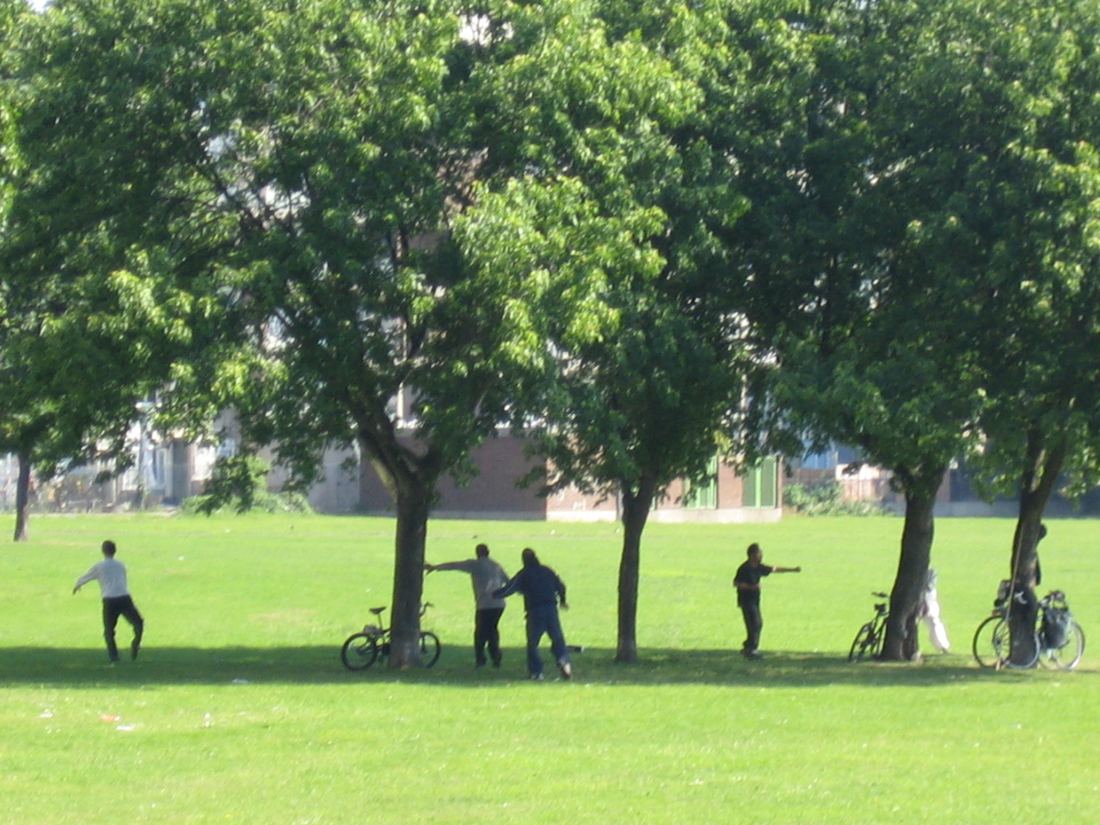
- Tai chi in East London: LoopZilla, CC BY-SA 2.0
Text written by Strongest Power.